
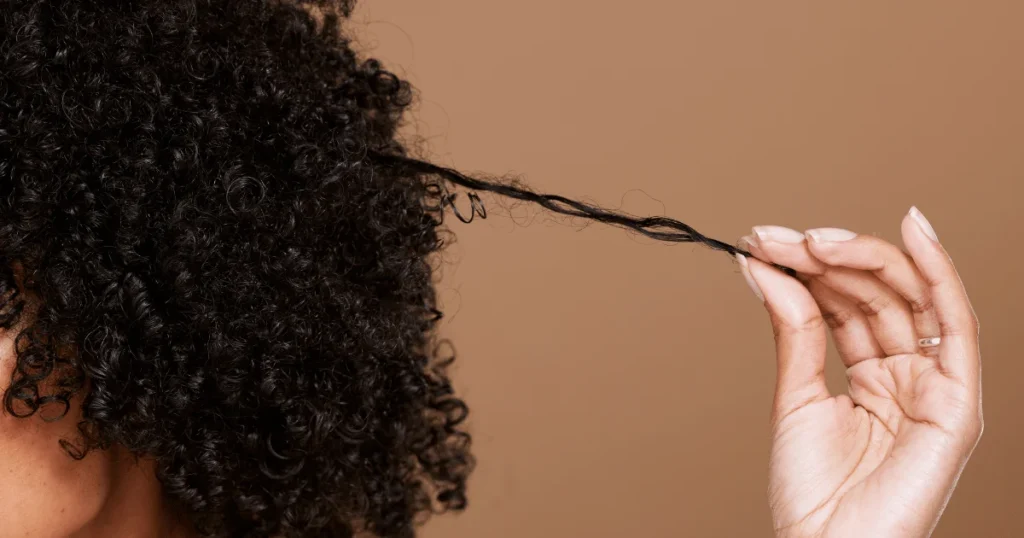
Your hair has its own unique way of responding to moisture, products, and styling, and that’s where hair porosity comes in. Understanding your hair’s porosity can help you choose the right routine, prevent dryness and damage, and keep your strands looking and feeling their best. In this guide, we’ll break down what hair porosity is, how to figure out your porosity level, and how to care for your hair based on what it needs most.
What is Hair Porosity?
Hair porosity is the secret to maintaining healthy locks. Porosity refers to your hair’s ability to absorb and retain moisture and hair care products. In simpler terms, it’s like your hair’s “personality,” influencing how it behaves and responds to your styling efforts. Understanding this aspect is essential for choosing the right products and creating a hair care routine that keeps your hair healthy and well-moisturized.
Why Hair Porosity Matters
Understanding your hair porosity is like discovering the key to healthier, more beautiful hair. It helps you understand how your hair responds to moisture and which products and techniques work best for your specific needs. Knowing your hair porosity level can help you choose the right hair care products, build an effective routine, and prevent damage, whether your hair has low, medium, or high porosity.
Hair porosity is generally divided into three main categories:
- Low porosity hair has tightly closed cuticles, which makes it difficult for moisture to penetrate.
- Medium porosity hair has slightly looser cuticles, allowing moisture to enter and stay balanced.
- High porosity hair has more open cuticles, so it absorbs moisture quickly but also loses it just as fast.
In this article, we’ll explore the factors that influence hair porosity, help you identify your porosity level, and share tips for caring for your hair based on its specific needs.
What is the Cause?
Hair porosity is largely determined by genetics, which means your natural porosity level may run in your family. For example, if low-porosity hair is common among your relatives, there’s a good chance your hair has similar characteristics. However, porosity is not influenced by genetics alone. Everyday habits and external factors can also affect how open or closed your hair cuticles are over time.
Frequent heat styling, blow-drying, bleaching, chemical straightening, overwashing, and using harsh hair products can gradually weaken the hair cuticle and make it more porous. When this happens, your hair may absorb moisture quickly but struggle to retain it, often leading to dryness, frizz, and breakage. Environmental stressors also play a role. Prolonged sun exposure, especially from UV rays, can damage the hair shaft and increase porosity, which is why protecting your hair from the sun is just as important as protecting your skin.
In short, while genetics sets the foundation for your hair porosity, your hair care routine and environment can significantly influence it over time.
Characteristics of Porosity Level
Low-porosity hair is characterized by tightly packed cuticles that make it difficult for moisture to enter the hair shaft. As a result, the hair may feel dry on the surface and can be challenging to fully wet or moisturize. Products often sit on top of the hair rather than absorbing easily, which can lead to buildup over time.
Medium-porosity hair is considered the ideal balance. Its cuticles are slightly raised, allowing the right amount of moisture to enter and remain in the hair without escaping too quickly. This hair type typically holds styles well, feels manageable, and responds well to most hair care products.
High-porosity hair has more widely spaced or raised cuticles, which allows moisture to enter quickly but also escape just as fast. This can leave the hair feeling dry, frizzy, and prone to breakage. Because the cuticle layer is often more exposed, high-porosity hair may also be more vulnerable to damage from heat, chemical treatments, and environmental stressors.
How to Determine Your Hair Porosity
Now that you have a basic idea of what hair porosity is, let’s figure out your hair’s type. You can do this right at home; no fancy equipment is needed!
The Float Test
One of the easiest ways to get a general idea of your hair porosity is by doing the float test at home. Start by filling a clear glass with room-temperature water and placing a clean strand of shed hair into the glass. The strand must be free from product buildup, oils, or heavy residue, since these can affect the results. Once the strand is in the water, observe how it behaves after a few minutes.
Low Porosity: If the strand floats on the surface for a while, it may indicate low-porosity hair. This suggests that the cuticles are tightly closed, making it harder for water to penetrate the hair shaft.
Medium Porosity: If the strand stays somewhere in the middle of the glass, it may suggest medium porosity. This usually means the hair is able to absorb and retain moisture in a balanced way.
High Porosity: If the strand sinks to the bottom fairly quickly, it may point to high porosity. This can mean the cuticles are more open, allowing water to enter easily but also escape just as fast.
While the float test can be a helpful starting point, it should not be considered the only way to determine your hair porosity. For the most accurate understanding, it is best to combine this test with other signs, such as how quickly your hair gets wet, how long it stays moisturized, and how it responds to products.
The Slip ‘n’ Slide Test.
Another simple way to get a sense of your hair porosity is to feel the surface of a single strand. To do this, take a clean strand of hair and gently slide your fingers upward from the tip toward the root. This test helps you notice the condition of the cuticle layer, which can give clues about how easily your hair absorbs and loses moisture.
Low Porosity: If the strand feels smooth and even as you move your fingers upward, it may indicate low porosity. This usually means the cuticles lie flat and tightly closed, making it more difficult for moisture to enter the hair shaft.
Medium Porosity: If you feel a slight texture or a few small bumps along the strand, it may suggest medium porosity. This often means the cuticles are slightly raised, allowing moisture to move in and out of the hair in a balanced way.
High Porosity: If the strand feels rough and your fingers catch easily as you slide upward, it may point to high porosity. This can be a sign that the cuticles are more raised or uneven, which allows moisture to enter quickly but also escape just as fast.
Like the float test, this method is best used as a general guide rather than a final diagnosis. For a more accurate understanding of your hair porosity, consider combining it with other observations, such as how your hair reacts to water, styling products, and humidity.
How to Improve Hair Porosity
Your porosity type will affect the way you care for your hair.
Low Porosity Hair
This is like that shy friend who doesn’t open up easily. The cuticles are tight, making it difficult for moisture to get in. Here are some tips:
- Use heat: Warm water and heat-activated products can help open those cuticles a bit, making it easier for moisture to penetrate.
- Lightweight products: Go for lightweight, water-based products that won’t sit on your hair’s surface.
- Clarify occasionally: Low porosity hair can be prone to build-up, so use a clarifying shampoo now and then to remove it.
Medium Porosity Hair
This is the sweet spot, where your hair is pretty chill about moisture. But maintaining this balance is key.
- Balanced products: You can use a wide range of products without too much trouble. Your hair doesn’t need much coaxing to accept moisture, but it won’t let go of it too easily.
- Maintain with care: Continue your regular hair care routine, and your medium porosity hair should stay happy.
- Protect your balance: Avoid overdoing any specific treatment, as it could tip the balance towards high or low porosity.
High Porosity Hair
High porosity hair is like a sponge, eager to soak up moisture, but also quick to lose it. Here’s what you need to do.
- Seal the moisture: Use heavier products like oils and butter to lock in that precious moisture.
- Avoid heat styling: High-porosity hair is prone to damage, so it’s best to limit the use of heat styling tools.
- Protein treatments: Regular protein treatments can help strengthen the hair and reduce frizz.
Hair Care Based on Porosity
Once you understand your hair porosity level, it becomes much easier to choose products and routines that support your hair’s specific needs. Because each porosity type absorbs and retains moisture differently, your cleansing, conditioning, and styling methods should be tailored accordingly.
Cleansing
- Low Porosity: Use warm water and sulphate-free shampoos to help lift buildup and encourage moisture to penetrate the tightly closed cuticles.
- Medium Porosity: A regular sulphate-free shampoo usually works well to keep the hair clean without disrupting its natural moisture balance.
- High Porosity: Consider co-washing or using a gentle, moisturizing shampoo that cleanses without stripping the hair of the moisture it loses easily.
Conditioning
- Low Porosity: Lightweight conditioners and leave-in products work best because they moisturize the hair without creating heavy buildup.
- Medium Porosity: Standard conditioners are usually effective for maintaining softness, moisture, and manageability.
- High Porosity: Deep conditioning treatments, especially those with strengthening ingredients like protein, can help reinforce the hair and improve moisture retention.
Styling
- Low Porosity: Lightweight, water-based styling products are ideal because they absorb more easily and will not sit heavily on the hair.
- Medium Porosity: This hair type offers more flexibility, so you can usually choose styling products based on your texture, goals, and overall hair needs.
- High Porosity: Richer, sealing products such as oils, creams, and butters can help lock in moisture and reduce dryness and frizz.
Above all, pay attention to how your hair responds. Your hair’s texture, moisture level, and overall behaviour can tell you a great deal about what it needs and which products work best.
Building a Hair Care Regimen
Creating a hair care regimen that suits your hair porosity is crucial, and consistency is key. It’s all about trial and error, and the more you take care of your hair, the better you’ll understand what works best for it. Consistently following a suitable hair care routine can help keep your hair healthy, hydrated, and looking its best.
The Role of Diet and Lifestyle
Your hair is a reflection of your overall health. Diet and lifestyle choices play a significant role in hair health.
- Balanced diet: Include protein, vitamins, and minerals. My personal favourite is a good old avocado for those healthy fats.
- Stay hydrated: Water is your hair’s best friend. Proper hydration keeps your hair looking shiny and feeling great.
- Stress management: Stress can wreak havoc on your hair. Practice relaxation techniques like yoga or meditation.
- Regular exercise: Exercise boosts blood flow, which helps in the delivery of nutrients to your hair.
- Sleep well: A good night’s sleep is when your body does most of its repair work, including hair repair.
Addressing Specific Hair Concerns
Hair porosity also plays a role in addressing specific concerns like frizz, breakage, and damage.
- Frizz: For high-porosity hair, sealing in moisture with oils and butter can help combat frizz. For low-porosity hair, use lightweight products.
- Breakage: High porosity hair is prone to breakage, so regular protein treatments can help strengthen it.
- Damage: If your hair is already damaged, consider a trim to get rid of the worst bits. Follow up with a healing routine based on your porosity type.
Seasonal Adjustments
Your hair’s needs can change with the seasons, so don’t forget to adjust your routine accordingly.
- Summer: Protect your hair from UV rays and use products with SPF. Lighter, hydrating products are great.
- Fall: As the air gets drier, consider using heavier moisturizing products and protective styles.
- Winter: Keep your hair hydrated and protected from harsh cold and wind. Deep conditioning treatments can be a lifesaver.
- Spring: Lighten up on products and focus on cleansing to remove buildup from the winter months.
- Adapting your hair care to the seasons is a must. I’ve had my fair share of winter frizz, but with the right routine, it’s much easier to manage.
Here are a few insider tips:
- Consistency is key: A routine is more effective than occasional intensive treatments.
- Be patient: Hair care takes time, so don’t expect overnight miracles.
- Stay informed: Keep learning about your hair type and the products that work best for you.
- Listen to your hair: Your hair often tells you what it needs. Dryness, breakage, and frizz are all signs you should pay attention to.
- Professional advice: Don’t hesitate to seek advice from a hairstylist or cosmetologist, especially if you’re dealing with specific hair issues.
Embracing Your Unique Hair
Remember, your hair is a significant part of what makes you unique and beautiful. Embrace it, along with all of your other features, and be proud of your journey. As the quote goes, “Embrace your hair, your features, and your journey. You’re one of a kind, and that’s your superpower.”
So, whether you have low, medium, or high porosity hair, remember that it’s a beautiful and essential part of who you are. Celebrate it! The secrets of your hair’s hidden personality with our Hair Porosity Quiz. Discover the key to healthy, luscious locks based on your unique porosity type. Dive into the world of hair care and unleash your hair’s true potential today!