
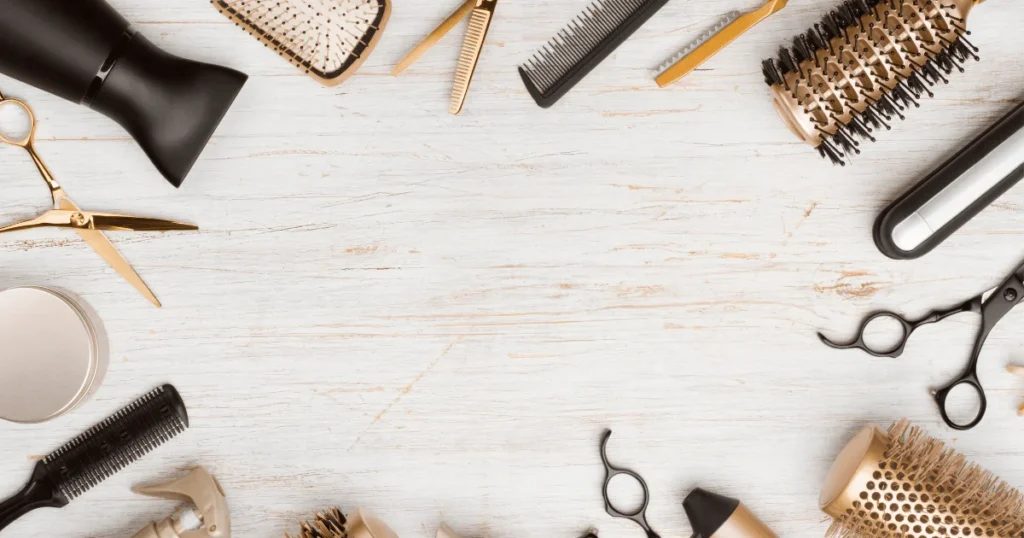
When it comes to hair care, using the right tools for your specific hair type can make all the difference in maintaining healthy, beautiful hair. Hair care is never one-size-fits-all. For instance, while a paddle brush works wonders for straight hair, curly hair benefits much more from a wide-tooth comb to gently detangle without disturbing its natural pattern. What works well for straight hair may not be ideal for curly or coily textures, which is why building a routine around your hair’s unique needs is so important.
From brushing and detangling to reducing breakage and preserving moisture, the tools you use play a major role in how your hair looks and feels every day. Choosing the right brush, comb, or styling aid can help you manage your hair more effectively while preventing unnecessary stress and damage.
What are the best tools for different hair types, including straight, wavy, curly, and coily hair? Along the way, I’ll also share practical tips so you can get the best possible results from your hair care routine.
Straight Hair: Paddle Brush
If you have straight hair, you’re in luck. Straight hair is often one of the easiest hair types to manage, and a paddle brush can work wonders in keeping it smooth, sleek, and tangle-free. Paddle brushes have wide, flat surfaces and evenly spaced bristles, making them ideal for detangling and smoothing straight strands without creating too much tension.
Make the most of a paddle brush for straight hair.
Start from the tips: Brushing your hair from the ends and working your way up to the roots is a fundamental step in straight hair care. This technique helps prevent breakage and minimizes stress on the hair shaft. When you begin at the tips, you detangle the ends first, which are usually the most vulnerable to knots, dryness, and damage. As you gradually move upward, it becomes much easier to remove tangles without pulling too hard or causing unnecessary breakage.
Gentle strokes: Straight hair can sometimes be more delicate than it appears. Because it doesn’t have the added structure of curls or waves, it can be more exposed to friction and breakage. Using gentle, long strokes with a paddle brush helps smooth the hair without causing damage.
The bristles of a paddle brush are designed to distribute pressure evenly across the hair, which reduces the risk of pulling or snapping strands. When brushing, avoid tugging too hard, especially when you come across knots or tangles. Instead, use slow, steady strokes to work through problem areas carefully.
Static control: Static can be a common issue for straight hair, particularly in dry or cold weather. To reduce static and keep your hair looking polished, try the following tips:
Anti-static spray: Use a good-quality anti-static spray to reduce flyaways and make your hair easier to manage. When choosing an anti-static spray, look for products that contain conditioning ingredients such as argan oil, glycerin, or aloe vera, as these help moisturize the hair while fighting static. Sprays with lightweight formulas are best for straight hair, as they smooth strands without leaving a heavy or greasy feel.
Hair serum: Apply a few drops to your brush before brushing. This can help add weight, reduce static, and boost shine.
Avoid plastic brushes: If static is a persistent problem, consider using a paddle brush with natural bristles. Natural bristles are often gentler on the hair and less likely to create static.
Wavy Hair: Wide-Tooth Comb
Wavy hair has a beautiful, effortless texture, but it can also come with challenges such as frizz, uneven wave definition, and tangling. A wide-tooth comb is one of the best tools for wavy hair because it helps detangle without disrupting the natural wave pattern.
Tips for using a wide-tooth comb on wavy hair
Detangle gently: Start by detangling your hair from the tips and slowly work your way up to the roots. A wide-tooth comb helps minimize snags and breakage, which are common concerns for wavy hair.
Here’s how to do it effectively:
Begin at the tips: Always start at the ends and gradually move upward. This method reduces stress on the hair and helps prevent unnecessary breakage.
Divide and conquer: If you run into stubborn tangles, divide your hair into sections. This makes detangling more manageable and ensures you don’t miss any knots.
Wet combing: If your hair tends to frizz easily, try combing it while it’s damp and conditioned. This helps the comb glide through more easily and can preserve the shape of your waves.
Here’s how to do it properly:
Wet your hair: Use a spray bottle to dampen your hair, or detangle it in the shower while it is coated with conditioner. Wet hair is more pliable and often easier to work with.
Use a leave-in conditioner or detangling spray: Applying a leave-in conditioner or detangling spray adds slip and helps the comb move through your hair more smoothly.
Start from the tips: Even when wet, begin detangling at the ends and work your way upward. This is the gentlest approach and helps prevent stress on your strands.
Parting advice: Creating a clean part can enhance the overall shape and style of wavy hair. Choose the part that best suits your preference and face shape, whether it’s a middle part, side part, or even a zigzag part.
Use the wide-tooth comb: Run the comb along the parting line to create a clean, defined separation. This helps your waves fall naturally and frame your face beautifully.
Curly Hair: Wide-Tooth Comb and Detangling Brush
Curly hair is known for its volume, texture, and personality. Because curls are more prone to dryness, tangles, and shrinkage, they benefit from a thoughtful combination of tools that can detangle without disturbing the curl pattern or causing excess breakage.
Techniques to keep curly hair healthy and defined
Wide-tooth comb: Just like wavy hair, curly hair benefits from the gentle spacing of a wide-tooth comb, which helps detangle knots and remove shed hair without pulling too harshly or disrupting the natural curl pattern.
Here’s how to do it effectively:
Start at the tips: Begin detangling from the ends, then slowly work your way up to the roots. This reduces breakage and makes the process much smoother.
Take your time: Curly hair is naturally more likely to knot, so patience is key. Rushing through the detangling process can lead to damage and disrupt your curl pattern.
Detangling brush: A detangling brush with flexible bristles can be especially helpful for stubborn knots. These brushes are designed to glide through curls with less resistance. Move with your hair instead of forcing your way through it, which helps reduce breakage during detangling. If you encounter more difficult tangles, use the detangling brush carefully and continue working from the tips upward.
Section your hair: Dividing curly hair into sections can make detangling much easier and more efficient. Separate your hair into manageable parts, whether you’re detangling in the shower or refreshing your curls with water. Secure each section with clips or soft ties to keep things organized and avoid re-tangling.
Wet hair: Curly hair is often easiest to manage when damp, since moisture softens the strands and improves slip. Many people with curly hair prefer detangling in the shower while the hair is saturated with conditioner. This provides added moisture and helps knots slide apart more easily. If you’re detangling outside the shower, use a spray bottle to keep your hair damp throughout the process.
Additional Tips for Curly Hair Care:
Curl-specific products: Choose shampoos, conditioners, creams, and gels designed for curly hair. These products are made to support definition, hydration, and frizz control.
Avoid over-shampooing: Curly hair tends to be drier, so washing too often can strip away natural oils. Consider co-washing or using a sulphate-free shampoo when needed. Co-washing, short for conditioner washing, means cleansing your hair using a conditioner instead of traditional shampoo. This gentle cleansing method helps retain your hair’s natural moisture while still keeping your scalp and curls fresh.
Plop your hair: Plopping involves wrapping wet hair in a microfiber towel or cotton T-shirt to help curls hold their shape while reducing friction and frizz.
Coily Hair: Wide-Tooth Comb and Water Spray Bottle
Coily hair, with its tight, springy texture, is beautiful and versatile, but it also requires extra care to maintain moisture and minimize breakage. Because coily hair is often the driest hair type, gentle handling and consistent hydration are essential.
Techniques to keep coily hair healthy with a spray bottle
Wide-tooth comb: Detangling coily hair can be challenging, but a wide-tooth comb remains one of the most effective and gentle tools for this hair type. Its wide spacing helps reduce tension on the strands, making it easier to work through knots and tangles without causing unnecessary breakage or disrupting the hair’s natural texture.
Here’s how to do it effectively:
Start at the tips: Begin detangling from the ends and slowly work your way toward the roots. This helps minimize breakage and makes detangling more manageable.
Patience is key: Coily hair is more likely to form tight knots and tangles, so take your time and avoid rushing. A slow, gentle approach protects the integrity of your strands.
Water spray bottle: Since coily hair can dry out quickly, a water spray bottle is a valuable part of your routine.
Keep your hair damp: Use the spray bottle to maintain moisture while detangling. Damp hair is generally more pliable and easier to manage.
Hydration is key: Regularly misting your hair can improve manageability and help prepare it for styling or product application.
Leave-in conditioner: Adding a leave-in conditioner to your routine can make a major difference in both moisture retention and detangling.
Moisture and slip: Leave-in conditioner adds hydration and slip, reducing friction and helping the comb move through your hair more easily. If your hair tends to be especially dry, apply leave-in conditioner generously, focusing on the mid-lengths and ends where moisture is often needed most.
Additional Tips for Coily Hair Care:
Be gentle: One of the most important aspects of coily hair care is handling your hair gently. Avoid harsh pulling, excessive tension, and rough styling techniques that can lead to breakage.
Regular maintenance: Trimming your hair regularly helps remove split ends and keeps your coils looking healthy and defined. A professional trim every 6 to 8 weeks can help maintain shape and overall hair health.
Protective styles: Styles such as braids, twists, buns, and other low-manipulation looks can help reduce daily stress on the hair and support length retention.
Pro Tips
In addition to using the right tools, here are some universal tips for healthy hair care, regardless of your hair type:
Satin or silk pillowcase: Switching to a satin or silk pillowcase can help reduce friction, minimize breakage, and preserve your hair’s natural moisture overnight.
Deep conditioning: Regular deep-conditioning treatments help keep hair hydrated, soft, and manageable. Choose a deep conditioner suited to your hair type and aim to use it at least once a week.
Air drying: Allow your hair to air dry whenever possible to reduce heat damage. If you use a hairdryer, attach a diffuser to help minimize frizz and preserve your natural texture.
Proper shampoo and conditioning: Use shampoos and conditioners specifically formulated for your hair type. Investing in quality products can greatly improve the health, appearance, and manageability of your hair.
Minimal heat styling: Try to limit your use of heat-styling tools to prevent unnecessary damage. If you do use heat, always apply a heat protectant first.
Use heat protectants: A heat protectant spray or cream creates a barrier between your hair and styling tools, helping reduce moisture loss and damage.
Remember, hair care is a journey. Finding the tools, products, and techniques that work best for your specific hair type may take time and some trial and error. The key is to stay consistent, be gentle with your hair, and focus on what helps it feel healthy and manageable.
With the right tools and a little patience, you can build a hair care routine that supports strong, healthy, and beautiful hair. Whether your hair is straight, wavy, curly, or coily, understanding its needs is the first step toward helping it thrive. Happy hair care!