
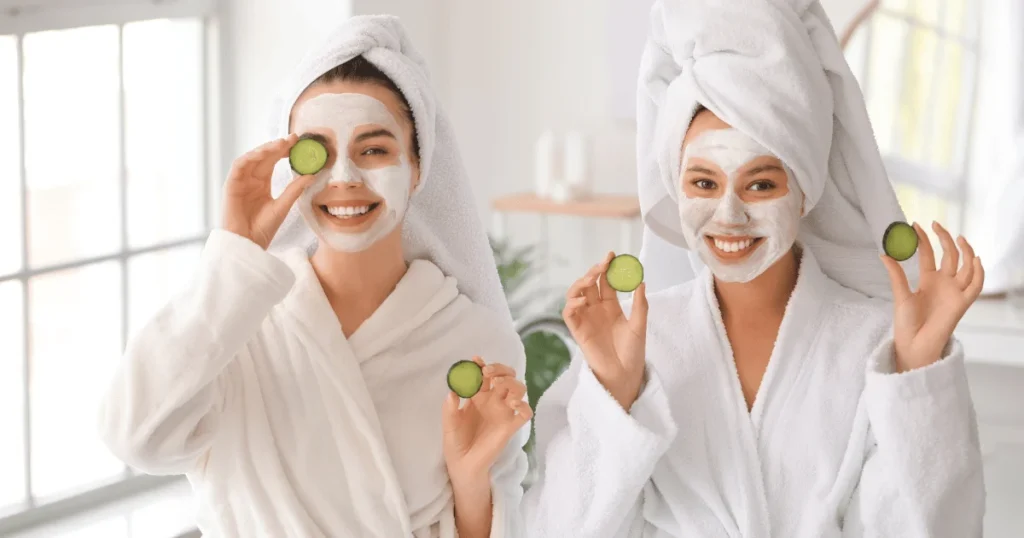
Face masks can be a valuable addition to your skincare routine, offering targeted benefits that help improve your skin’s overall health and appearance. Whether you’re new to masking or looking to refine your routine, understanding the basics can help you get even more from your skincare.
In this guide, we’ll explore the different types of face masks and share simple tips for incorporating them into your routine to achieve a healthy, radiant glow.
Understanding Face Masks: Start With The Basics
Face masks are a staple in the world of skincare. These products come in various formulations, each tailored to address specific skin concerns. Face masks are a fundamental aspect of skincare, and it’s wonderful that you’re keen on exploring the basics of these skincare essentials.
Sheet Masks: The Instant Refreshers
Sheet masks have become a skincare favourite because they offer a quick, easy way to nourish and hydrate the skin. Typically made from cotton, bio-cellulose, or hydrogel, these masks are pre-soaked in serums or essences formulated to target a variety of skin concerns. Many sheet masks contain ingredients like hyaluronic acid for hydration, ceramides to help support the skin barrier, and antioxidants to protect against environmental stressors. One of their biggest benefits is how simple they are to use: just apply the mask, let it sit for the recommended time, and enjoy a relaxing, spa-like treatment from the comfort of home.
Clay Masks: Detoxify and Clarify
If you have oily or acne-prone skin, clay masks can be a great option. They are made from different types of clay, such as kaolin or bentonite, which help naturally draw out impurities and absorb excess oil. These masks are designed to clarify the skin, improve texture, and support a cleaner-looking complexion. It’s important to choose the right clay mask for your skin type. For example, green clay is ideal for absorbing excess oil, while white clay is gentler and better suited for sensitive skin.
Hydrating Masks: Banish Dryness and Dullness
Hydrating masks can be a real game-changer for those who are struggling with dry, lacklustre skin. They work like magic, providing an instant boost of moisture and revitalization. Usually, these masks contain ingredients like hyaluronic acid, glycerin, and aloe vera, which are known for their hydrating properties. So, if you want to quench your skin’s thirst, a hydrating mask might just be what you need!
Exfoliating Masks: Renew and Revitalize
Exfoliating masks can work wonders for rejuvenating your complexion. They are typically formulated with alpha or beta hydroxy acids, enzymes, or other exfoliating agents that help to remove dead skin cells, unclog pores, and improve skin tone and texture. These masks are particularly beneficial for addressing issues like uneven skin tone and signs of aging. When it comes to exfoliating masks, there are two primary types: physical and chemical exfoliation.
Peel-off Masks: The Satisfying Ritual
Peel-off masks are a popular choice for many people who want to give their skin a refreshing and rejuvenating experience. As the mask dries, it forms a thin, rubbery layer on the skin that can be peeled off, taking away impurities, debris, and dead skin cells with it. The immediate satisfaction of seeing the results leaves the skin looking and feeling renewed.
Gel Masks: Calm and Soothe
Gel masks can be a great option for those with sensitive or irritated skin, as they offer a cooling and soothing effect that can help reduce redness and inflammation. These masks are often formulated with ingredients such as aloe vera and chamomile, which are known for their calming properties.
Cream Masks: Nourish and Rejuvenate
Cream masks are a great way to pamper dry or mature skin. They provide deep nourishment and hydration, leaving the skin feeling refreshed and rejuvenated. With ingredients like shea butter, avocado oil, and ceramides, cream masks work wonders in restoring the skin’s natural moisture barrier, keeping it soft and supple.
Sleeping Masks: Wake Up to Radiance
Sleeping masks can be a great addition to your nighttime skincare routine. By applying them before bed, you can enjoy all the benefits while you sleep. These masks are designed to work their magic overnight, leaving you with revitalized and plump skin in the morning. They usually contain ingredients that are focused on intense hydration and skin repair, making them a must-have for anyone looking to achieve healthier skin.
Choosing the Right Face Mask
Choosing the right face mask starts with understanding your skin type and its specific needs. Clay masks with kaolin or bentonite are ideal for oily or acne-prone skin because they help absorb excess oil and unclog pores. If your skin is dry, hydrating masks with ingredients like hyaluronic acid, glycerin, or ceramides can help restore moisture.
For dull skin, exfoliating masks with AHAs or BHAs help remove dead skin cells and reveal a brighter complexion. Sensitive skin benefits from gentle gel masks with soothing ingredients such as aloe vera or chamomile, while mature skin may respond well to cream masks enriched with antioxidants, peptides, and collagen-supporting ingredients. For a quick and easy boost, sheet masks are a convenient option available in a variety of formulas to suit different skin concerns.
Incorporating Face Masks into Your Skincare Routine
Adding face masks to your skincare routine can be a simple and effective way to target specific skin concerns. Here’s a helpful guide to get started:
Always begin with a clean face. Use a gentle cleanser to remove dirt, makeup, and impurities. Choose a mask that suits your skin’s current needs, which may vary depending on the weather, stress levels, or your overall skin condition. Apply the mask evenly across your face, avoiding the eye and lip areas, and follow the instructions on the packaging carefully.
While the mask is on, take a few moments to relax and unwind. You might read a book, listen to music, or simply rest. Be sure to leave the mask on only for the recommended amount of time, as leaving it on too long can cause dryness or irritation. Once the time is up, remove the mask according to the product instructions. Rinse off wash-off masks with lukewarm water, and gently remove sheet or peel-off masks as directed. Afterward, continue with your regular skincare routine, including toner, serum, and moisturizer.
How often you use a face mask will depend on your skin type and the type of mask you choose. Hydrating masks can typically be used two to three times a week, while exfoliating masks are best used once or twice a week.
Additional Tips and Tricks
Seasonal Adjustments: Your skin care needs may change with the seasons. For example, using more hydrating masks during the dry winter months and oil-absorbing masks in the summer.
Patch Testing: Before trying a new mask, especially if you have sensitive skin, it’s a good practice to do a patch test on a small area to ensure you don’t have an adverse reaction.
Stay Hydrated: Remember that hydration is key to healthy skin. Drinking enough water and using hydrating masks can make a big difference in your skin’s overall appearance.
If you’re looking to pamper your skin while targeting specific concerns, face masks are a wonderful addition to any skincare routine. They offer a relaxing, spa-like experience at home while delivering benefits tailored to your skin’s needs.
Exploring different types of face masks can help you discover which formulas work best for your skin. In the coming week, I’ll be taking a closer look at the face masks mentioned above, along with their unique benefits.